×
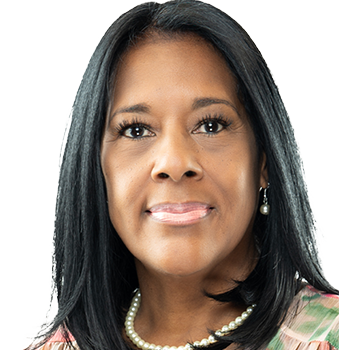
Dr. Natasha Watson
Dr. Natasha Watson brings more than 32 years of distinguished experience in education, marked by a consistent record of transforming underperforming schools into high-achieving learning environments. Her leadership is driven by a clear mission: to ensure that all students, regardless of background or circumstance, have access to high-quality education and opportunities for success.
Dr. Watson’s professional experience spans a range of impactful roles, including Assistant Superintendent, Principal, Assistant Principal, Academic Program Manager, and Teacher. As a principal and district leader, she has not only led campus turnarounds but has also scaled best practices across multiple schools and departments. She has also served as a Leader of Leaders and Principal Supervisor, coaching and mentoring school administrators to effectively lead instructional improvement and manage complex systems. She is known for her ability to develop leadership pipelines, foster a culture of continuous improvement, and align district initiatives with campus-level execution. Her mentorship has empowered numerous leaders to successfully navigate challenges and achieve impactful results within their schools.
In addition to her extensive practical experience, Dr. Watson holds a Bachelor’s degree in Child Development & Human Relations, a Master’s degree in Education Administration, and has pursued further studies in a Master of Business Administration (MBA). She also earned a Doctor of Education in Educational Administration and Leadership, equipping her with both the academic foundation and strategic expertise to lead complex educational systems and turnaround initiatives effectively.