

November 18, 2026
Written by

Jan Cook, MEd, C-SLDS
Assistant Director – Dyslexia, Literacy and Language
What happens after the identification of dyslexia? How can schools create stronger intervention systems through trained educators, consistent implementation, progress monitoring, and continued support?
Identifying a student with dyslexia is an important step, but identification alone does not change the trajectory of the student’s literacy journey. What happens next matters. Strong dyslexia support requires schools to move intentionally from identification to intervention, creating systems that provide students with appropriate instruction, progress monitoring, and targeted support that can be adjusted as their needs evolve.
Strong Intervention Begins with Trained Educators
Effective dyslexia instruction requires far more than access to instructional materials.
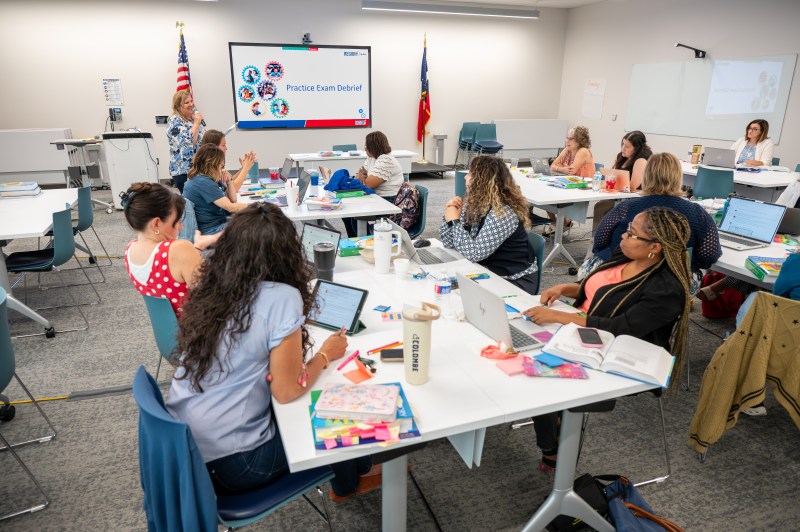
Educators need a clear understanding of what dyslexia is and is not. They also need knowledge of the components of a structured literacy lesson and how to deliver that instruction explicitly, systematically, and responsively. Ongoing professional learning and coaching help teachers strengthen their knowledge and translate what they learn into daily practice.
Consistency Shapes the Intervention Experience
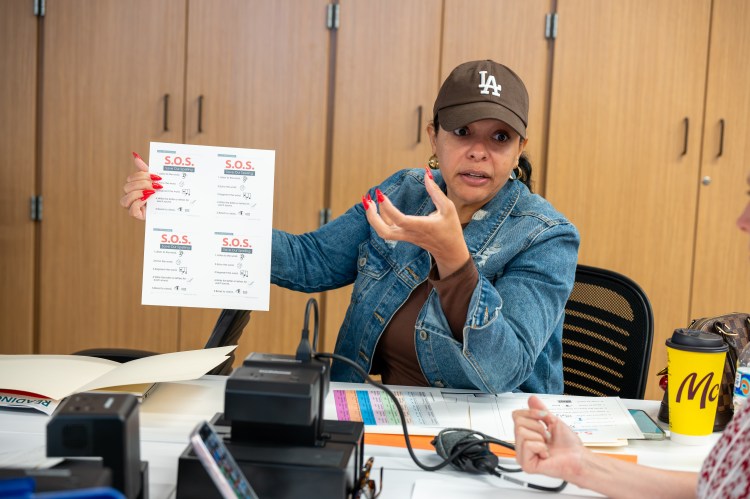
Consistent implementation is equally important. Students benefit when intervention is delivered with the intended frequency, duration, grouping, and instructional sequence. Programs such as Reading by Design® provide educators with a structured literacy approach to intervention, but the program itself is only one part of the equation.
The quality and consistency of implementation determine how students experience that instruction. Fidelity to program design is key for any educational program.
Without consistent delivery, it becomes difficult to determine whether the intervention is working as intended.
Progress Monitoring Should Guide Decisions
Schools also need a meaningful system for ongoing progress monitoring that informs instruction. Student data should do more than document lesson completion; it should help educators understand what students have learned, identify areas of continued difficulty, and determine when instructional adjustments may be needed.
Periodic program mastery checks provide one important source of data. For example, with Reading by Design®, mastery checks are administered at regular intervals to monitor individual student progress and identify areas requiring additional practice or review.
When progress is slower than expected, multidisciplinary teams should look beyond the data points. They should examine factors that may be influencing student growth, including instructional intensity, opportunities for practice, attendance, group composition and size, and consistency in meeting recommended intervention time.
Progress-monitoring data is most valuable when it leads to thoughtful questions, informed decisions, and responsive instruction.
Support Does Not End with a Program
Effective dyslexia intervention should be viewed as a continuum of ongoing support rather than a destination. Completing a particular intervention program does not mean that a student no longer needs support. Dyslexia is lifelong, and students’ needs evolve as academic demands increase.
Schools should continue to monitor performance, provide appropriate accommodations, and respond when new challenges emerge. Educating students about dyslexia and how it affects them personally is another important piece of the overall road to success. Students need to understand themselves, how their learning differences impact them, and how they may effectively advocate for themselves.
Ultimately, strong dyslexia intervention systems connect identification, high-quality instruction, progress monitoring, and continued support. When these pieces work together, identification becomes more than a label. It becomes the starting point for purposeful, responsive instruction that equips students to navigate academic challenges and opens pathways to future possibilities.
- Strong intervention begins with well-trained educators.
- Consistent delivery shapes how students experience instruction.
- Progress monitoring should guide instructional decisions.
- Support continues beyond any single program.
Region 4 Dyslexia Conference
Continue exploring effective dyslexia instruction and student support at the Region 4 Dyslexia Conference on Thursday, December 3, 2026. Whether you are new to dyslexia education or have years of experience, this hybrid conference connects current research with the day-to-day work of instruction and intervention.
Reading by Design® Office Hours
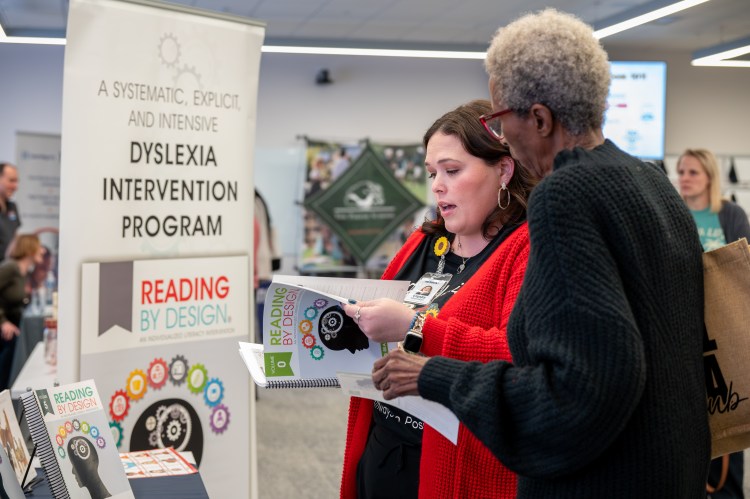
Connect with Reading by Design® trainers and fellow educators to ask questions, work through instructional challenges, and refine your approach to program implementation. These free, virtual sessions offer continued guidance beyond your initial training.
Upcoming Office Hours
Free | Virtual | 3:30–4:30 p.m. CT
Questions? Email R4dyslexia@esc4.net.